
Unlocking Neighborhood Secrets, One Clue at a Time
Setting Off with Timeworn Clues
Plaques, Markers, and Whispering Walls
Decoding Dates and Dedications
Look beyond dates to typography, wreath motifs, guild insignia, and the language of benefactors. Dedications often reveal funding circles, migration waves, or rebuilding after fires. Cross-check names with directories and census rolls to trace occupations and addresses. Share discoveries with descendants when possible, inviting conversation that turns a metal rectangle into a renewed family bridge.
Respectful Exploration
Treat plaques as storytellers, not trophies. Do not clean, scrape, or rub; oils and abrasives cause harm. Ask caretakers before photographing on private property, and blur house numbers online. If a memorial marks loss or trauma, leave flowers or notes, listen more than speak, and let your documentation prioritize dignity over spectacle.
Neighborhood Story Patterns
As your index grows, patterns appear: clusters around former wharves, commemorations tied to mills or schools, and commemorative gaps where communities were displaced. Plot locations on an overlaying grid and annotate reasons. Invite neighbors to add recollections in comments, building a participatory archive that rewards patient curiosity, respectful debate, and generous listening across generations.
Research That Feels Like Sleuthing
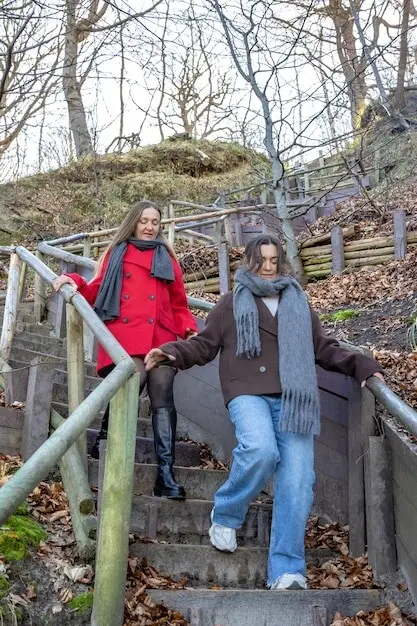
Designing a Community Hunt
Capturing and Sharing the Journey

Photographing Texture and Time
Mapping Your Route Digitally