
Safari Begins at Your Doorstep
Step outside and discover Urban Nature Safaris: Spotting Wildlife and Native Plants on Your Block, where alleyways become corridors of discovery and curbside gardens shelter surprising lives. We’ll help you notice small wonders, read street-side habitats, and build a joyful daily practice of exploration that fits any schedule. Expect approachable guidance, real city anecdotes, and field-proven tips that turn familiar corners into living maps of birdsong, leaf texture, pollinator movement, and moonlit tracks gently pressed into yesterday’s dust.
Reading the City Like a Field Guide
Cities hold layered habitats hiding in plain sight, and learning to read them reshapes ordinary errands into meaningful expeditions. Watch how wind funnels between buildings, how light pools beneath streetlamps, and how water collects in dips after rain. Each pattern hints at which creatures might pass by, which seeds may settle, and how roots explore small pockets of soil. With practice, your block becomes a living glossary translating facades, fences, and gutterlines into clues about thriving birds, resilient plants, and busy, unseen nighttime travelers.
Neighborhood Wildlife Characters
Our streets host surprising cast members adapted to niches we barely notice. Peregrine falcons rest on high ledges, surveying pigeon traffic; house sparrows negotiate curbside thickets; monarchs navigate milkweed islands; and bats pattern twilight with living calligraphy. Raccoons test lids and latticework, opossums tidy fallen fruit, and foxes cut narrow angles across medians at three a.m. By learning typical behaviors, preferred shelter, and food strategies, you’ll anticipate appearances, reduce disturbance, and feel genuine companionship with these neighbors whose daily lives intertwine with yours.
Plants That Thrive Between Cracks
From curb splits to brick seams, persistent plants stitch the neighborhood together, stabilizing soil, feeding pollinators, and easing urban heat. Native asters, goldenrods, and milkweeds support caterpillars and bees; oaks anchor bird food webs with insects. Maples tolerate tough sites, while sumac colonizes forgotten corners in fiery fall. Lichens quietly monitor air quality, and mosses soften noise along shaded walls. Learning leaf shapes, seed dispersal tricks, and bloom timing lets you predict visitors and appreciate how resilience looks when roots choose narrow chances and prosper.
Gear, Safety, and Ethics
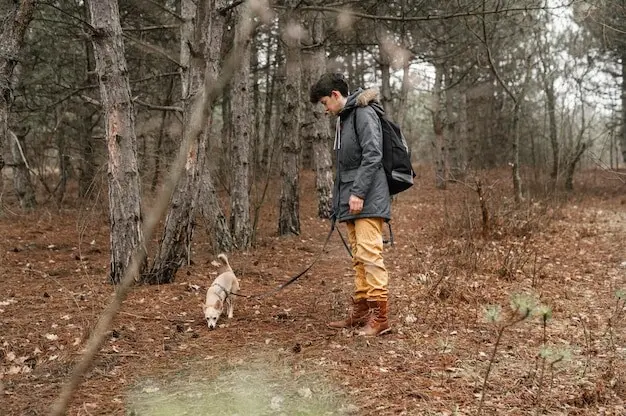
You need little to begin: curiosity, comfortable shoes, and attention. A pocket notebook, soft pencil, compact binoculars, and a phone for maps and quiet photos complete a nimble kit. Prioritize awareness at crossings and maintain reflective visibility at dusk. Respect private property, never feed wildlife, and keep respectful distance, especially during nesting. Remove litter rather than plants, and learn to distinguish native treasures from invasive thugs before intervening. Practicing restraint, gratitude, and patience builds trust with neighbors—human and otherwise—ensuring stories can unfold without harm or hurried interruption.
Community Science and Sharing
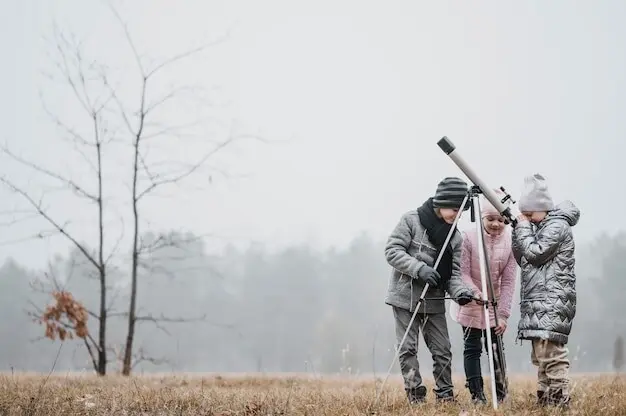
Your block becomes more meaningful when observations contribute to collective knowledge. Upload photos to iNaturalist or Seek for identifications and life-stage tracking; log birds in eBird to map migrations; and join local bioblitz events. Field notes, sketches, and short audio clips build personal memory while supporting credible records. Share highlights with neighbors, post gentle signage near planters, and invite kids to count pollinators after school. Collaborative curiosity deepens belonging, empowers advocacy, and reveals that every stoop-sighting can ripple outward into conservation choices grounded in real, local evidence.
Routes, Routines, and Rituals
Small, repeatable adventures deliver the richest insights. Design a five-minute loop past tree pits, a fifteen-minute sunset circuit checking three windowsill planters, and a weekly dawn watch from a bus stop bench. Rotate routes seasonally to witness migrations, leaf-out, and seed dispersal, while weather variations reveal different casts. A named “sit spot” builds deep friendship with one view. These rituals anchor attention, improve identification skills, and create a calming rhythm that supports wellness, belonging, and a meaningful partnership with the life blossoming at your feet.