Unlocking Neighborhood Secrets, One Clue at a Time

Step into streets that remember. Today we invite you into Local History Treasure Hunts with Old Maps and Hidden Plaques, where brittle cartography, faint engravings, and curious footsteps turn ordinary blocks into living archives. Expect practical tips, heartfelt stories, and gentle challenges that help you notice, document, and share discoveries with neighbors and friends.

Setting Off with Timeworn Clues

Begin by slowing your pace and letting texture guide your eyes. Frayed map folds, cornerstones chipped by decades, and alley names half-erased become invitations rather than obstacles. We will prepare simple routines for planning routes, staying safe, respecting property lines, and recording impressions so every wander becomes a patient conversation with the city’s layered memory.

Plaques, Markers, and Whispering Walls

Not every plaque shouts in bronze; some are porcelain ovals, engraved stones near ground level, or embossed tiles tucked under eaves. Learn regional traditions—blue plaques, National Register emblems, Stolpersteine, shipyard plates—and the stories they signal. Photograph carefully, shade glare with your hat, sketch borders and symbols, and record coordinates to build a respectful, searchable neighborhood index.

Decoding Dates and Dedications

Look beyond dates to typography, wreath motifs, guild insignia, and the language of benefactors. Dedications often reveal funding circles, migration waves, or rebuilding after fires. Cross-check names with directories and census rolls to trace occupations and addresses. Share discoveries with descendants when possible, inviting conversation that turns a metal rectangle into a renewed family bridge.

Respectful Exploration

Treat plaques as storytellers, not trophies. Do not clean, scrape, or rub; oils and abrasives cause harm. Ask caretakers before photographing on private property, and blur house numbers online. If a memorial marks loss or trauma, leave flowers or notes, listen more than speak, and let your documentation prioritize dignity over spectacle.

Neighborhood Story Patterns

As your index grows, patterns appear: clusters around former wharves, commemorations tied to mills or schools, and commemorative gaps where communities were displaced. Plot locations on an overlaying grid and annotate reasons. Invite neighbors to add recollections in comments, building a participatory archive that rewards patient curiosity, respectful debate, and generous listening across generations.

Research That Feels Like Sleuthing
Good hunts begin at desks. City directories, insurance maps, probate filings, and council minutes help transform hunches into grounded routes. We will outline repeatable methods for capturing citations, organizing scans, and noting uncertainty honestly. Expect practical templates, approachable jargon translations, and encouragement to share sources openly so other walkers can verify, challenge, and joyfully expand your findings.

Designing a Community Hunt

Transform solitary wandering into a shared adventure with neighbors, classrooms, and visiting relatives. Set clear boundaries, duration, and difficulty, then craft intriguing prompts that reward observation rather than speed. Offer optional historical context for each stop, include rest points, and provide alternate routes. Encourage participants to submit notes afterward, building a living guide refined by many eyes.

Capturing and Sharing the Journey

Documentation multiplies delight. We will explore ethical photography, descriptive captions, and durable backups that outlast platform trends. Prepare alt-text that honors texture and context, then publish maps and narratives together so readers can walk remotely. Invite comments, corrections, and annotated memories, and offer newsletter subscriptions for gentle, periodic prompts that keep curiosity happily humming.

Photographing Texture and Time

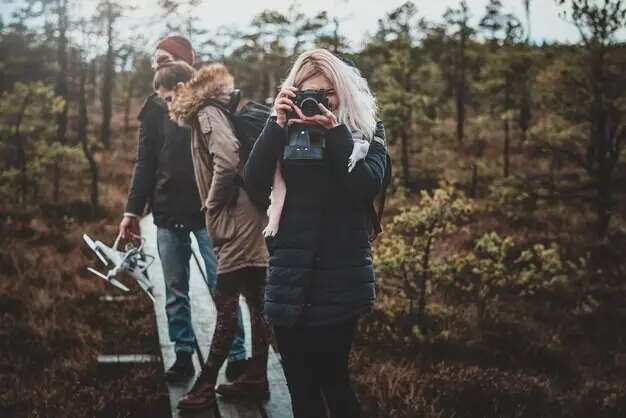
Side light reveals inscriptions; overcast days reduce glare. Hold your breath to steady close-ups, and shoot a wider frame for surroundings. Capture hands measuring brick courses, feet beside threshold grooves, and reflections that show passersby pausing. Always include a note card with date and location in one frame to anchor your album for future researchers.

Mapping Your Route Digitally

Use a phone-based GIS or simple pinboard app to log each clue, attaching photos, audio, and bibliographic notes. Export GPX or KML to share with collaborators and teachers. Add color codes distinguishing plaques, ghost streets, vanished buildings, and conjectures. Later, publish a cleaned version with safety-sensitive details removed, balancing openness with care for vulnerable sites.

Moments of Serendipity

Even careful plans give way to chance. A dog walker mentions a sealed doorway; a sunbeam lifts a date only at noon; an aunt recognizes a surname from a wedding program. These interruptions deserve room. We will celebrate and archive them, inviting readers to submit their own surprises, missteps, near-misses, and triumphant alignments that teach patience.
Sirapalolaxizentonarikaro
Privacy Overview

This website uses cookies so that we can provide you with the best user experience possible. Cookie information is stored in your browser and performs functions such as recognising you when you return to our website and helping our team to understand which sections of the website you find most interesting and useful.