Follow the Paint: Discovering Side-Street Wonders

Step off the main avenue and follow color where it whispers loudest. We set out along side-street art trails—murals, mini-galleries, and community installations—finding stories brushed onto brick, curated in tiny windows, and built with neighbors’ hands. This wandering guide celebrates serendipity, respectful exploration, and the sparks of connection that appear when a passerby becomes a participant. Bring curiosity, good shoes, and a camera with kindness. Share your finds below so others can add new pins to this living map.

Finding the Hidden Network

Cities telegraph clues about where creativity accumulates: long uninterrupted walls, rail underpasses, schoolyards, utility boxes, corner bodegas, and pedestrian cut-throughs. Start by tracing delivery routes, bike lanes, and weekend markets; artists follow footfall and visibility more than glossy addresses. Look for overspray halos, buff squares, or sticker constellations that hint at evolving canvases. When you discover a cluster, slow down, listen for ladders and laughter, and let the path braid itself, one painted breadcrumb at a time.

Where Murals Tend to Bloom

Big stories need big surfaces: grocery flanks, warehouse sides, school fences, transit underpasses, and the sunlit ends of residential blocks. Muralists chase light, line-of-sight, and community blessing. In Philadelphia, crews grid walls before dawn; in Bristol, Upfest turns side streets into ladders and laughter. Seek scaffolding shadows, scaffold tags, and paint deliveries to spot tomorrow’s color today.

Mini-Galleries in Unlikely Windows

Keep an eye for tiny vitrines tucked inside cafes, repurposed phone booths, or little boxes mounted beside stoops. These pocket galleries rotate quickly, championing zines, collage, pins, and small canvases priced for neighbors. Many invite swaps: leave a postcard, take a print, sign the ledger. Follow hashtags, but trust handwritten signs; they update faster than algorithms.

Installations that Invite You In

Community installations reward touch, contribution, and care: mosaic benches seeded with broken plates, chalkboards asking questions, yarn-wrapped trees warming winter eyes, or seed libraries built from salvaged cabinets. Notice maintenance kits tucked nearby and instructions that welcome participation. When you engage, tidy gently, credit makers, and invite friends, because these works survive on attention more than budgets.

Muralists at Work

Process often begins months ahead: community listening, concept drafts, approvals, material tests, and fundraising. On site, teams snap chalk lines, square grids, and block colors fast before winds shift. Lift operators become heroes, and paint runners sprint. Ask about their favorite mistake; you’ll learn how accidents steer compositions toward braver, kinder narratives.

Neighborhood Curators

Not every curator wears black or speaks in catalogs. Many are bakers, librarians, crossing guards, or teens who tape sign-up sheets in laundromats. They manage keys, calendars, and captions, and they smooth frictions when expectations collide. Bring gratitude and flexibility; their invisible labor holds doors open so small wonders can keep breathing.

Alliances and Light Paperwork

Partnerships with councils, business districts, or schools often make projects safer and longer-lasting. Permits can feel fussy, yet they protect artists from fines and ensure walls aren’t buffed overnight. Offer to help with forms, translate notices, or host meetings. Shared responsibility builds resilience when storms arrive or budgets wobble unexpectedly.

From Sketch to Street: Methods and Materials

Technique choices shape voice and longevity. Aerosol sings gradients; brushes deliver edges; rollers cover distance; paste-ups multiply ideas overnight; tiles and mirrors sparkle through seasons. Respect surfaces and lungs: prime brick, wear masks, and mind neighbors’ laundry lines. Test UV coatings, anti-graffiti films, and drains before rain. Good prep makes humble paint feel miraculous.

Grids, Projections, and Freehand

Transferring a sketch to a wall can be playful science. Some artists grid photos, others beam drawings with projectors at dusk, and veterans trust muscle memory. Each method balances speed, accuracy, and neighborhood spectacle. Share process shots respectfully; kids light up when lines turn into faces before their very eyes.

Weatherproof, Safe, and Kind to Air

Select low-VOC paints, seal porous brick, and schedule coats when humidity cooperates. Shade can slow curing; sudden drizzle can ghost drips forever. Masks and eye protection matter, even for quick tags. Neighbors notice care, and that care earns time, trust, and small kindnesses like extension cords, ladders, and fresh lemonade.

Plan with Light and Landmarks
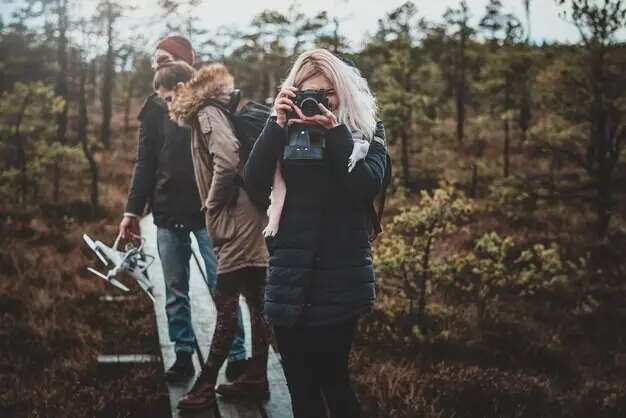
Sun angles sculpt walls; east faces glow early, west ones burn at dusk, and north holds even tones. Combine transit stops, bakeries, and pocket parks into loops with rest and bathrooms. Offline maps and pinned water fountains save days. Plan just enough, then leave space for detours and delicious distractions.

Walk Together and Learn

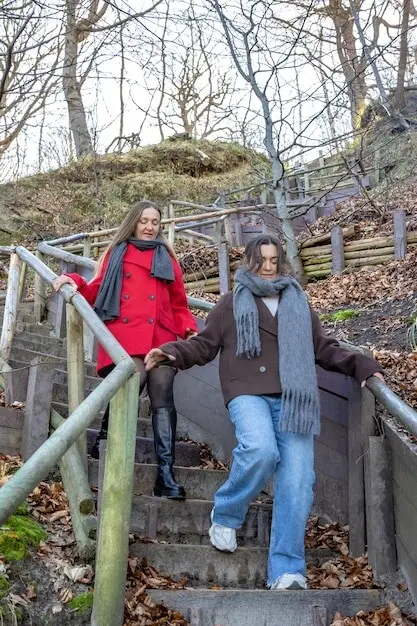
Pairs or small groups notice more, feel safer, and trade stories that color the route. Consider inviting a local docent or artist; their asides about scaffolds, pigments, or neighborhood lore unlock layers you might miss. Share snacks, rotate leads, and check-in often so everyone’s energy stays bright and brave.

Make It Welcoming for Everyone

Choose step-free paths when possible, avoid tight alley bottlenecks, and ask permission before entering courtyards. Provide printed maps for screen-free companions and multilingual notes for visitors. Clear guidance helps families, wheelchair users, and newcomers feel invited. Accessibility is artistry, too, shaping who can experience the city’s open-air gallery together.

Stories, Symbols, and Place

Images on side streets rarely sell products; they hold memories, protest injustices, or celebrate small kindnesses like a free haircut day. Study motifs—hands, birds, ladders, sunbursts—and ask neighbors what they see. Oral histories deepen interpretation more than any caption. When stories conflict, honor the plurality; streets speak in chords, not solo notes.

Murals as Memory Keepers

Faces of elders, unsung workers, and lost landmarks often appear where demolition or displacement left fissures. Artists collaborate with historians and families to safeguard names. Leave a voice memo for future walkers: share who you recognize, when you visited, and what changed afterward. Memory strengthens mortar between bricks and neighbors.

Pocket Galleries as Living Notebooks

These little windows accumulate seasons like diaries: rain-wrinkled postcards, pressed leaves, holiday miniatures, and school sketches swapped during finals week. Curators often log contributors, but visitors’ stories matter, too. Write a note, leave a sticker, then message us your reflections; community annotation turns modest displays into enduring neighborhood chronicles.
Share the Journey Responsibly
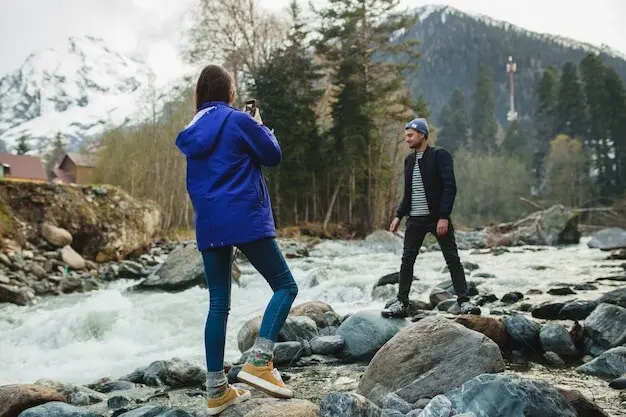
Documentation spreads wonder, but it can also expose fragile spaces. Ask artists before sharing work-in-progress, and avoid geotagging sensitive pieces like memorial walls or unsanctioned murals. Credit generously and spell names correctly. When posting, add context about funding, permissions, and care. Responsible storytelling keeps doors open for future walks and collaborations.

Join, Support, and Create

Side-street culture grows when neighbors pitch in. You can sweep sites, donate primer, translate flyers, or host tiny openings in living-room windows. Offer rides for ladder pickups or snacks during cleanup. Share your intentions in our comments, subscribe for route updates, and volunteer through links we collect monthly. Participation multiplies color.
Sirapalolaxizentonarikaro
Privacy Overview

This website uses cookies so that we can provide you with the best user experience possible. Cookie information is stored in your browser and performs functions such as recognising you when you return to our website and helping our team to understand which sections of the website you find most interesting and useful.